Tick Fever in Dogs India: Symptoms, Treatment & Recovery Diet
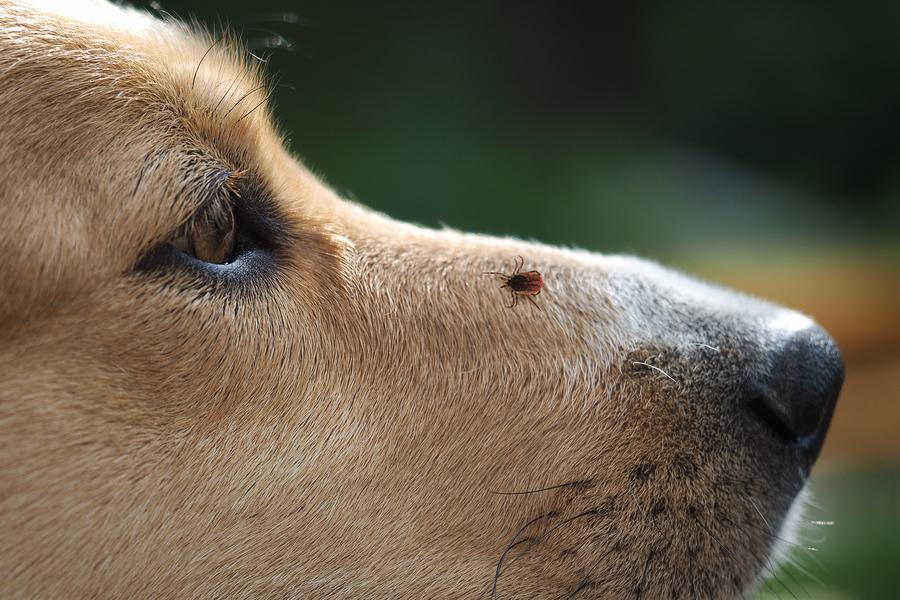
Tick fever is one of the most common and serious health threats facing dogs in India. It is not a single disease but a group of infections — Babesiosis, Ehrlichiosis, and Anaplasmosis — all transmitted through the bite of an infected tick. India's warm, humid climate makes it a year-round risk, not just a seasonal one. This guide covers what tick fever actually is, how to recognise it early, what treatment involves, what to feed a recovering dog, and how to prevent future infections.
What Is Tick Fever in Dogs?
"Tick fever" is an umbrella term for a group of tick-borne diseases in dogs. In India, the most commonly encountered are:
- Babesiosis — caused by the protozoan parasite Babesia canis or Babesia gibsoni, which invades and destroys red blood cells (RBCs), causing haemolytic anaemia. This is the most prevalent tick-borne disease in Indian dogs. [1]
- Ehrlichiosis — caused by the bacterium Ehrlichia canis, transmitted primarily by the brown dog tick (Rhipicephalus sanguineus), which infects white blood cells and platelets, impairing immune function. [1]
- Anaplasmosis — caused by Anaplasma species, affecting platelets and sometimes red blood cells, presenting symptoms similar to the above two. [2]
- Hepatozoonosis — caused by Hepatozoon canis, and notably the most prevalent tick-borne pathogen found in Indian dogs when PCR testing is used. Unlike the others, it is transmitted not through a tick bite but by a dog ingesting an infected tick — for example, while grooming. Clinical signs range from none at all to chronic intermittent fever, muscle pain, weight loss, and weakness. Because it often coexists with Babesia or Ehrlichia, its presence should prompt vets to screen for co-infection. [6]
The primary carrier across all three in India is the brown dog tick (Rhipicephalus sanguineus), though deer ticks and other species can also be involved. Transmission can occur through tick bites, bites from an infected dog with open wounds, contaminated blood transfusions, or — in some Babesia cases — from an infected mother to her unborn puppies. [1]
Symptoms to Watch For
Symptoms can vary by disease type and stage, but the most common signs across Babesiosis, Ehrlichiosis, and Anaplasmosis include:
Early / Acute Symptoms
- Lethargy and unusual tiredness
- Loss of appetite or complete refusal to eat
- High fever (temperature above 103°F / 39.4°C)
- Swollen lymph nodes
- Pale or yellowish gums (indicating anaemia or jaundice)
- Limping or joint stiffness
- Increased thirst and urination
Severe / Advanced Symptoms
- Dark or reddish-brown urine (sign of haemoglobin in urine — a serious indicator)
- Vomiting and diarrhoea
- Unexplained bleeding (gums, nose, or under the skin)
- Difficulty breathing
- Disorientation or neurological signs
- Collapse or seizures
- Severely pale gums or whitish gums
Symptoms typically appear 1–3 weeks after a tick bite, though this window can vary depending on the pathogen and the dog's immune status. [2]
The Three Phases of Tick Fever
Tick fever — particularly Ehrlichiosis — progresses through recognisable stages if not caught early. Understanding these phases helps explain why early detection is so critical. [1]
| Phase | Duration | What Happens | Prognosis |
|---|---|---|---|
| Acute | 1–4 weeks | Initial infection; fever, lethargy, loss of appetite, mild anaemia | Excellent with prompt treatment |
| Subclinical | Weeks to months | Dog appears normal; pathogen persists silently; platelets slowly drop | Good if detected; risk of progression if missed |
| Chronic | Months to years | Severe bone marrow suppression, bleeding disorders, organ damage | Guarded to poor; requires aggressive treatment |
Note that dogs infected with Babesia can remain lifelong carriers even after treatment. Dogs infected with Ehrlichia, however, can be completely cured when treated in the acute or subclinical phase. [1]
Diagnosis
Tick fever cannot be diagnosed based on symptoms alone, as the signs overlap with many other illnesses. A veterinarian will typically run:
- Complete Blood Count (CBC) — looks for low platelet count, anaemia, and abnormal white blood cell counts
- Blood smear — may visually detect Babesia parasites inside red blood cells
- PCR test — most accurate; identifies the specific pathogen (Babesia, Ehrlichia, or Anaplasma)
- Biochemistry panel — assesses organ function (liver, kidneys)
- Urinalysis — checks for haemoglobin, protein, and electrolyte abnormalities
Vets in India often begin treatment before full test results return, based on clinical presentation and initial blood work, because early treatment significantly improves outcomes. [3]
Treatment
Tick fever requires veterinary treatment. Home remedies alone cannot cure it. Treatment is determined by the specific pathogen and the severity of infection.
Antiparasitic and Antibiotic Medications
- For Babesiosis: Imidocarb dipropionate is the most commonly used antiparasitic in India. It is typically given by injection at the veterinary clinic.
- For Ehrlichiosis and Anaplasmosis: Doxycycline is the antibiotic of choice. Tetracycline and minocycline are alternatives. Always complete the full prescribed course, even if your dog appears to improve early. [4]
Supportive Care
- Blood transfusions — may be necessary in severe anaemia cases
- IV fluids — to support hydration and organ function
- Platelet boosters and iron supplements — to support blood cell recovery
- Anti-fever medication — to manage temperature as needed
- Vitamin B and immune-support supplements — as prescribed by the vet
Recovery Diet: What to Feed a Dog with Tick Fever
Medication addresses the infection. Diet is what rebuilds the body. During and after tick fever, a dog's digestive system is under stress, their appetite is suppressed, and their body is urgently trying to replace lost blood cells and repair damaged tissue. What goes into the bowl during this period matters more than at almost any other time. Understanding how dogs digest protein helps explain why ingredient quality and digestibility — not just quantity — are the priority here.
Core Principles
- High digestibility — the gut is compromised; food must be easy to process
- High-quality protein — essential for rebuilding tissue, immune cells, and red blood cells
- Iron-rich ingredients — critical for haemoglobin production and anaemia recovery
- Low fat during acute phase — high fat can stress a compromised liver
- Small, frequent meals — easier on the stomach and more likely to be accepted
- High moisture — supports hydration when water intake is reduced
Recommended Foods
Quick answer: The best foods for a dog recovering from tick fever are plain boiled chicken or mutton with white rice, a small amount of lightly cooked liver (for iron), cooked eggs, and warm low-sodium bone broth. Offer small portions frequently, always at room temperature or slightly warm, and avoid kibble, raw meat, and anything seasoned until the vet confirms full recovery.
| Food | Why It Helps | How to Prepare |
|---|---|---|
| Boiled chicken (boneless) | Highly digestible, complete protein, gentle on the gut | Plain boiled, no oil, salt, or seasoning |
| Boiled mutton / goat meat | Rich in iron and zinc; supports red blood cell recovery | Slow cooked, well done, no spices |
| Chicken or mutton liver | Exceptional source of iron, B12, and folate — all critical for anaemia recovery | Lightly cooked; offer in small amounts (not more than 10% of meal) |
| White rice | Easily digestible carbohydrate; supports energy without gut strain | Well-cooked, soft |
| Sweet potato | Gentle on digestion; provides potassium and beta-carotene | Boiled or mashed, plain |
| Eggs (cooked) | Complete protein and highly bioavailable; easy to eat even for appetite-suppressed dogs | Scrambled or boiled, no butter or salt |
| Bone broth (low sodium) | Encourages eating, supports hydration, provides collagen and trace minerals | Homemade or verified low-sodium; offered warm |
What to Avoid During Recovery
- Dry kibble — low moisture, often high in processed carbohydrates; difficult to digest during GI stress
- Raw meat — immunocompromised dogs are at higher risk from bacterial contamination
- Fatty cuts of meat — can stress a liver already under pressure from disease and medication
- Seasoned, spiced, or salted food — never appropriate for dogs; especially harmful when organs are under stress
- Dairy (large quantities) — can cause loose stools in dogs already dealing with GI upset
- Human sports drinks or electrolyte sachets — formulated for humans, not appropriate for dogs
Managing Appetite Loss
Loss of appetite is one of the most persistent challenges in tick fever recovery. It can result from the disease itself, medication side effects (especially doxycycline), nausea, or general weakness. Practical strategies include:
- Warming food slightly to increase aroma and palatability
- Offering small amounts frequently rather than full meals
- Adding a spoonful of low-sodium bone broth as a topper to familiar food
- Hand-feeding or offering food in a shallow plate if the dog is very weak
- Rotating between 2–3 accepted proteins to prevent boredom
If appetite does not return within 48–72 hours of starting treatment, inform your veterinarian. Prolonged anorexia during recovery may require appetite stimulants or feeding support.
Hydration During Recovery
Tick fever often comes with fever, vomiting, and reduced voluntary water intake — all of which compound dehydration risk. Supporting hydration is a non-negotiable part of recovery care.
- Keep multiple clean water bowls available in the dog's resting areas
- Refresh water at least twice daily
- Offer warm bone broth (low-sodium, homemade) as a hydration bridge
- High-moisture cooked meals contribute meaningfully to total fluid intake
- If the dog is refusing water completely, contact your vet — oral rehydration support or IV fluids may be needed
A practical guideline for daily water requirements in healthy dogs is approximately 40–60 mL per kg of body weight per day, rising during illness and fever. [5] For a more detailed breakdown of dog hydration needs in Indian summer conditions, see our guide: Ahmedabad Dog Hydration Guide: Preventing Heatstroke & Dehydration in Summer.
Recovery Timeline
How long does recovery from tick fever take? It depends heavily on how early the disease was caught, how severe the infection was, and the quality of supportive care during recovery.
| Case Severity | Expected Recovery Window | Notes |
|---|---|---|
| Mild (caught in acute phase) | 1–2 weeks | Most dogs begin improving within 24–48 hours of starting antibiotics |
| Moderate | 2–4 weeks | May require extended medication and dietary support |
| Severe (chronic or multi-organ involvement) | 4–8 weeks or longer | May require hospitalisation, blood transfusions, and close monitoring |
Signs that recovery is on track include returning appetite, improved energy levels, normal gum colour, and reduction in fever. Follow-up blood work is essential to confirm platelet count and haemoglobin are returning to normal levels.
It is worth noting that dogs with Babesiosis remain carriers for life and can relapse — particularly during periods of stress or immune suppression. Dogs that recover from Ehrlichiosis can be fully cured, though reinfection is possible if tick prevention is not maintained. [1]
Prevention
There is currently no universally available tick fever vaccine effective against the Babesia species most common in India. Prevention therefore depends entirely on tick control. [1]
Tick Prevention Measures
- Spot-on treatments — monthly topical applications are one of the most effective options; use only vet-recommended brands
- Tick collars — offer extended protection; confirm with your vet the appropriate product for your dog's weight and age
- Oral tick preventives — available by prescription; effective for up to one month
- Anti-tick shampoos and sprays — useful as part of a broader routine, not as a standalone solution
- Daily tick checks — inspect ears, armpits, groin, paws, and the area between toes after any outdoor time
- Environmental hygiene — wash bedding regularly; keep sleeping and play areas clean
- Limit high-risk exposure — avoid tall grass and densely wooded areas during peak tick season (monsoon and post-monsoon months)
Indoor dogs are not fully protected. Ticks can enter the home on clothing, shoes, and other animals. Regular checks and preventive treatments are advisable regardless of how much time a dog spends outdoors. [3]
Frequently Asked Questions
Can tick fever kill a dog?
Yes, if left untreated. Tick fever can progress to severe anaemia, organ failure, and death — particularly in the chronic stage of Ehrlichiosis or in severe Babesiosis. With prompt veterinary treatment, most dogs in the acute phase recover fully.
Is tick fever contagious between dogs or to humans?
Tick fever is not directly contagious from dog to dog or dog to human through casual contact. Transmission requires an infected tick to bite and feed on a new host. However, if an infected dog with open wounds bites another dog, Babesia can be transmitted. Ticks can move between animals in a household, so treating all pets for tick prevention is advisable. [2]
What is the best food for a dog recovering from tick fever?
Plain boiled chicken or mutton with white rice is the most practical starting point — easily digestible, protein-rich, and well accepted even by dogs with reduced appetite. Small quantities of organ meat (especially liver) can support iron recovery. Warm, low-sodium bone broth can encourage eating and hydration. Avoid kibble, raw meat, and anything seasoned during the recovery period.
How long does it take for platelets to recover after tick fever?
Platelet counts typically begin rising within 1–2 weeks of treatment in mild-to-moderate cases. In severe cases or where bone marrow has been affected, recovery can take several weeks longer. Follow-up blood work with your vet is the only reliable way to track this.
Can I give my dog doxycycline without a prescription?
No. Doxycycline dosing is weight-dependent and must be prescribed by a veterinarian following diagnosis. Incorrect dosing can cause serious harm — including oesophageal damage, liver stress, and photosensitivity — and will not ensure the infection is fully cleared.
My dog recovered from tick fever. Do I still need tick prevention?
Yes — more so. Dogs that have had tick fever are not immune. Babesiosis dogs remain carriers and can relapse; Ehrlichiosis dogs can be reinfected. Consistent tick prevention after recovery is essential.
References
-
Vetic — Tick Fever in Dogs: Babesiosis and Ehrlichiosis in India
https://vetic.in/blog/dogs/what-is-tick-fever-in-dogs/ -
Heads Up For Tails — Tick Fever in Dogs: Symptoms, Causes, and Treatment
https://headsupfortails.com/blogs/dogs/tick-fever-in-dogs -
PetYaari — Guide to Tick Fever in Dogs: Symptoms, Prevention & Treatment
https://petyaari.com/tick-fever-in-dogs-in-india/ -
Supertails — Tick Fever in Dogs: Recognising the Signs and Treatment
https://supertails.com/blogs/healthcare/tick-fever-in-dogs-recognizing-the-signs-and-treatment -
Veterinary Information Network (VIN) — Fluid Therapy Guidelines in Dogs
https://www.vin.com/apputil/content/defaultadv1.aspx?catId=124646&id=8896578&pId=22915 -
VOSD — Identification and Treatment of Tick Fever in Dogs
https://www.vosd.in/tick-fever-treatment/ -
PMC — Survey of Canine Tick-Borne Diseases in India (Hepatozoon canis prevalence data)
https://pmc.ncbi.nlm.nih.gov/articles/PMC3162925/